

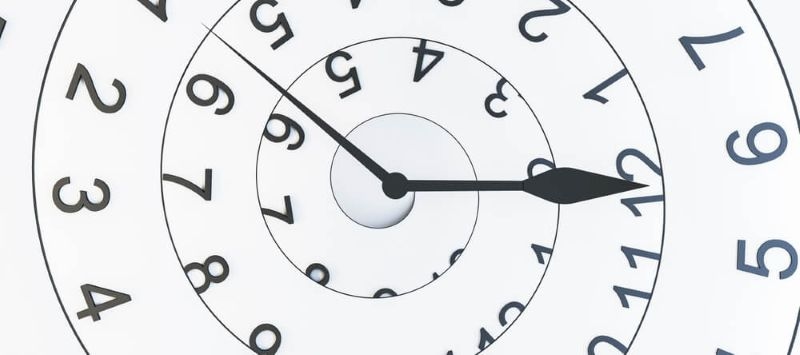
When you were a kid, summer felt endless. Now, whole years just vanish. You’re not imagining it. Our sense of time really does change as we age. Figuring out why can help you make life feel richer and maybe even slow things down a bit.
Let’s talk about why this happens and dig into the science and psychology behind it. This blog will share a few habits that actually help you feel more present in your own life.
Time perception isn’t about clocks—it’s about how we feel time passing. Clocks always tick at the same pace, but our minds don’t. How we experience minutes, hours, even whole years depends on what we’re doing, how we feel, and what we remember.
Many people think about why time flies. When life’s packed with new stuff—adventures, challenges, surprises—time drags. When every day looks the same, it flies. That’s why childhood seemed so long, and grown-up life feels like it’s on fast-forward.
Think back to being a kid. Everything was new—places, faces, rules, even feelings. Your brain was always busy, soaking up all that novelty. Those fresh experiences make strong memories.
When you look back at a year packed with new memories, it feels huge. Childhood’s full of learning and discovery, and that stretches out our sense of time. The brain pays closer attention when it’s surprised. That focus makes moments feel longer.

Getting older usually means more routine. Wake up, work, eat, sleep, repeat. Not as much stands out, so you make fewer unique memories. The brain gets more efficient, but that efficiency blurs days together. When your experiences look the same, your memories clump, and months—or even years—feel short when you look back.
And let’s be real, adults have a lot on their plates. Work, family, stress. When your attention’s split, you’re less present, and time just slips by.
Scientists talk about our “internal clock”—a bunch of brain systems that help estimate how long things take. These systems get nudged by our heart rate, moods, and how much attention we’re paying.
Excitement or fear revs up that internal clock science, making moments stretch out. Boredom or distraction slows it down, so time speeds up. As we age, these signals shift. Our emotions might not swing as wildly, and with fewer emotional highs and lows, time doesn’t stretch as much.
It’s pretty common for people to wonder why predictable routines make time fly. When you’re on autopilot, you don’t pay much attention. Less attention means time races by.
Think about driving a route you’ve taken a hundred times—it feels quick, right? But a new route seems to take forever. The distance is the same, but your brain’s not recording all the details when things feel automatic.
That’s why whole workweeks can disappear without leaving much to remember.
How long something feels isn’t about the clock. It’s about memory. In the moment, time just is. It’s only when you look back that it feels fast or slow. A week filled with meaningful moments feels long; a week on repeat feels short. It’s the richness of your memories, not the actual hours, that shapes your sense of time.
That’s why vacations feel long while you’re living them, but short when you remember them. With routine workdays, it’s the opposite—the days feel quick, but sometimes the weeks crawl by. Funny how that works.
Some days just vanish before you even realize, while others drag on and feel endless. That’s not random—it’s your mind at work. If you’re caught up in worries about the future or the past, you end up missing what’s actually going on around you.
But you can actually change that feeling. Mindful awareness—simply paying attention to what’s right in front of you—can slow down your sense of time. It’s not magic, but it works.
Aging and time are out of your control, but your experience of time isn’t set in stone. Here’s what actually helps:
New stuff makes time feel longer. You don’t need to climb a mountain or fly to another country. Even small things—a different route to work, a new book, a new recipe, or chatting with a stranger—can shake things up. The more you try new things, the richer your memories get, and the slower time seems to move.
Doing the same thing day in and day out turns life into a boring phase. Break your habits on purpose. Maybe swap your breakfast, rearrange your desk, or pick a different playlist. Little changes like these make your days stand out, and your memory holds onto them better.
One way to practice mindfulness is by being aware of your activities as you do them. For example, while eating, notice the taste of the food, and when walking, observe all the things around you. Slowing down one's mental activities allows for increased awareness.
Trying to do everything at once just scatters your attention and makes the days vanish. Stick to one thing at a time. It sounds simple, but it makes a difference. Focusing on a single task makes moments feel longer and more meaningful.
Your feelings have a huge impact on how time moves. When you do stuff that matters to you—or just brings you joy—those moments stick. Think about the last time you laughed until you cried or did something that really mattered. Strong emotions leave markers in your memory, stretching out your sense of time.
Want to make your days feel fuller? Take a few minutes at night or at the end of the week to look back. Maybe write a few lines about what happened, or just replay the day in your head. This habit shows you there’s always more going on than you think, even on days that seem pretty dull.
Being around people—friends, family, or even acquaintances—just feels different. You swap stories, laugh, work together, or just hang out, and those moments really linger. Spending time with others pulls you out of autopilot and adds some real color to life.
Aging can make it seem like time’s speeding up, but that’s not a reason to panic. It just means you need to pay more attention to how you spend your days. When you focus on what matters, chase new experiences, and live in the moment, life feels fuller. The goal isn’t to control time, but to actually live in it.
If you stop chasing after time and start noticing it, everything slows down a bit. Life stops feeling like one big blur.
The sensation of life moving faster as one ages is entirely due to the perception of duration, memory, and attention. Routine, a divided mind, and a lack of new experiences make a year seem shorter. The internal clock science and the psychology of time reveal that our brains play a crucial role in determining how time is experienced.
Even though a clock cannot be stopped, our consciousness can be so much that the lives of others can be made to feel greater and less time-bound.
Time perception changes because adults encounter fewer new events and run more on routine. This leads to less memory detail and thus, time is perceived as going faster when looking back.
Doing the same thing over and over makes you pay less attention, so you don’t remember much. That’s why those weeks when every day looks the same seem to just vanish.
Yeah, it can. When you focus on what’s happening right now, you notice more details. Everything feels richer, and time stretches out.
Research on internal clocks reveals that attention, emotions, and brain processes influence the way time is experienced,
This content was created by AI