


While many people appreciate the success of technological innovations, an equally interesting area of study is technology that has been abandoned - technologies that initially appeared to offer great promise but are no longer in use or in memory. We learn important things about humans’ characters and ambitions when we study this category of technology, including how we view time and our behaviors in relation to it.
When technology was first introduced, each new product was viewed as revolutionary. Many of the innovations that eventually got to mass production were not anticipated to be long-lived. By examining technology that has been abandoned, we reveal the history of the “dead” technologies of previous generations, as well as the current technologies that were previously held in high regard (and have since failed) and the ongoing technological “graveyard” of obsolete and out-of-date electronics. A better understanding of why technologies fail will not only be of interest to historians but will also provide important insights for today’s innovators.
Abandoned Technology Is a Great Source of Knowledge. At the EasyTech Conference on October 29, 2023, I gave an informative presentation titled “Abandoned Technology: The Importance of Understanding What Went Wrong.” I discussed the importance of studying abandoned technology, which includes all products, platforms, or systems that were either discontinued, forgotten, or replaced (because they were poorly adopted), or due to advanced technology that replaced the products altogether, or because of poor strategic decisions made by the company. When these technologies were introduced, they received an incredible amount of marketing attention and had all the necessary components to make them successful, but ultimately, they ended up in the tech graveyard.
When we study the history of obsolete technology, we learn a great deal about how the process of innovation can go awry. Understanding the history and why the failure occurred it teaches us about the relationship between consumer behaviour, price, usability, and timing.
The quantity of obsolete electronics continues to grow at an unprecedented rate. By examining the lessons learned from abandoned technology and the subsequent failures, companies can avoid repeating mistakes made by previous generations.
The technological demise represents not just failures of Technology But Also the Evolution of Technology. Abandoned technological items have contributed many ideas toward creating current technologies. Many technologies in Today's Time Originated from Abandoned Technological Ideas Due to Being Too Ahead of Their Time or Lacking Proper Infrastructure to support them.
For Example, Many early Personal Digital Assistants (PDAs) were considered Dead or Outdated in Today's Terms, But These Devices Helped to Create Modern Smartphones. Therefore, a history of Dead Tech will show that although an item has been Discontinued or Considered Death (like all Other Technology), it has a Growth Cycle.
By Learning from the past, the Technology Industry can create designs that are more usable and meet the Real Needs of Consumers, based on What Has Worked and not worked for Consumers in the past.
Examples of failed electronic devices include those that were supported by large investments and marketing, but ultimately couldn't sustain themselves in the marketplace. These abandoned technologies provide clear evidence that even the largest technology companies can misjudge the market for their products.
A product that many thought would be the next step in humanity's technological evolution has become synonymous with the term abandoned technology. The initial excitement about Google Glass quickly subsided due to privacy issues, high prices, and minimal utility.
Though featuring many attractive attributes, it was unable to enter the marketplace and compete in the Apple ecosystem. This part of our abandoned technology history is an example of how simply developing an innovative product does not guarantee its success in the marketplace.
Despite its innovative technology, it was not successful due to a lack of clearly defined use cases and a price point. Segway is still referenced as a prominent example of an abandoned technology.
These three historical failed technologies serve as examples of what went wrong and why certain products have failed to be successful. These examples highlight how products cannot succeed unless they are in alignment with satisfying the needs of consumers.
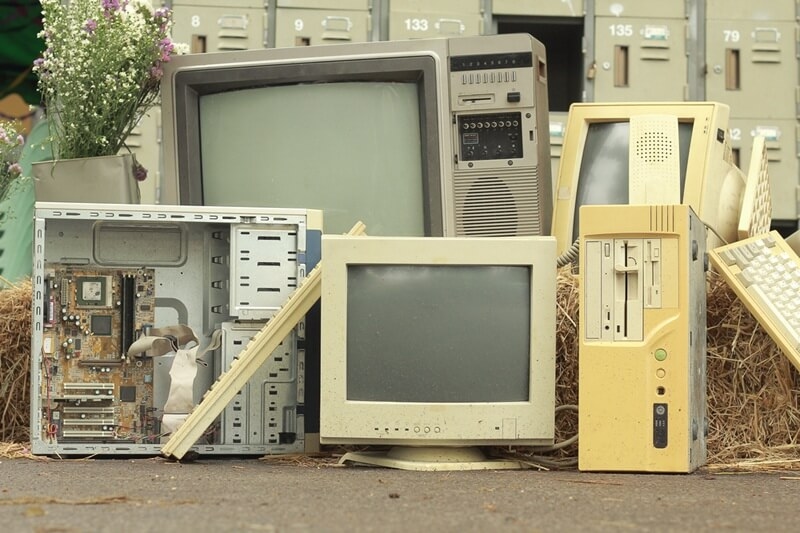
To understand why many products fail, you need to understand what is meant by abandoned technology. Most often, there are multiple reasons for failure, with the following changing factors being the most common culprits to blame: Timing, Cost, Ease of use for users, Demand for the product from users, and Rapid Changes in technology.
Many of the products that fail were introduced to the marketplace at a time when there was not customer base. History shows that even in the most groundbreaking inventions can end up as obsolete technology if introduced too early to the customer base.
Abandoned technology has typically occurred when there was a disconnect between new technology and what was happening in the consumer's life (or the things that enabled them to continue using their current products or services).
The fate of a technology rests with its users - if consumers don't see a need for it or see a use for it in their daily lives, the technology will be left to die. Gadgets that fail often amaze engineers with their complexity but completely baffle consumers. Examples abound of failed technologies that did not gain acceptance because they were too complicated or complex to use.
When electronics become obsolete, they fail to integrate into everyday life and are soon discarded as outdated, and only exist in the mind of their creator. To understand the reasons for failure in consumer products, one must look at the user's expectations and not just the product's technical performance.
It's not that all discontinued electronic products mean a failure. Many obsolete electronics were technologically obsolete due to rapid advances in technology. DVD players, MP3 players, and stand-alone GPS units were not considered a failure but were replaced by all-in-one smartphones. The history of how we used to use technology also indicates that multiple technologies often converge into one end product, which tends to create the extinction of certain technologies. But even the very best performing electronic products at some point become just another piece of outdated equipment lying in the "graveyard" of old products, because nothing is permanent.
Fast-moving innovations increase pressure on companies to enter products into the marketplace more quickly, thereby increasing the likelihood that those products will be abandoned. Many of the gadgets that failed to gain traction in the marketplace were brought to market without adequate testing.
An examination of the history of dead technologies indicates that the combination of speed without an adequate business strategy will ultimately result in obsolescence. Products that cannot evolve quickly enough to address consumer needs will find themselves in the graveyard of technology.
By understanding why some technology products fail, companies can better manage the speed of their innovation and develop products that provide long-term value.
Tech that's either failed or been left behind can be repurposed or used again due to changes in technology, time, and consumer preferences; for example, virtual reality was once considered to be an obsolete technology, but has recently evolved due to improvements to the existing equipment and new applications for use of the product. Similarly, failed gadgets have the potential to develop a second chance in niche markets, as well as to inspire future product designs. Tech that was once considered dead has been revived by new developments in technology that allow us to market them differently or use them for different purposes.
Abandoned technology tells not just a story about failure; It also provides insight into innovation and guidance for being cautious about the future. Technology that has failed reveals the complex relationship between ambition, timing, and consumer behavior in shaping innovations. For example, dead gadgets remind us that technology must be designed to satisfy a genuine need to be successful. Instead of viewing the technology graveyard as a source of disappointment, we should see it as an example of the need to experiment with new ideas to advance consistently.
Innovators can learn from examining how products have failed, enabling them to create better technologies in the future that are smarter and more sustainable.
Abandoned Technology means a product or system that has been abandoned because of low sales, illness in the marketplace, or because it has fallen out of favor or is now considered out of date. These technologies fall into the category of Dead Technologies(Historical)(Dead Technologies) and can be found in the Global Tech Graveyard.
The failures of gadgets provide insight into how innovative products can be risky and how consumers behave concerning those products. This knowledge provides a foundation for understanding why some products have failed and how Abandoned Technologies will continue to shape the future of technology.
By studying Dead Technologies, companies will better understand the mistakes of those who came before them, and therefore be more equipped to avoid dead electronics and develop products that have little or no risk of becoming Abandoned Technologies.
No. Many obsolete electronics sold well during their time, but they were eventually usurped by more advanced electronic solutions, demonstrating that Abandoned Technologies were not necessarily bad designs.
Definitely, many Failed Gadgets continue to influence how we design products today, showing that Abandoned Technologies can provide indications of how future innovations will evolve when their introduction is well-timed and executed.
This content was created by AI