

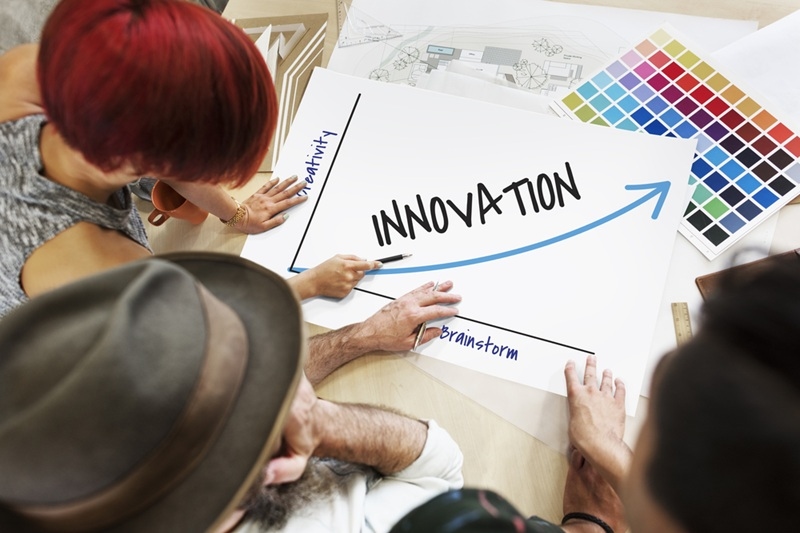
An innovation environment is not just about having ideas. It is about how those ideas move, grow, and finally turn into action. Most teams already have ideas, but they often lack a clear path.
This blog explains how to build an impactful innovation strategy and why workplace innovation is essential in 2026.
Must Read: Why Smart Home Fails Are Rising in Modern Connected Homes
An innovation environment is a structured way of handling ideas from start to finish. It gives people a space to share and move ideas forward without feeling lost in the process.
In many workplaces, ideas arise during meetings or casual conversations. They sound promising for a moment. Then they disappear. Not because they are bad, but because there is no system to support them.
A proper setup changes that. It gives direction. It creates clarity. People know where to share ideas, how those ideas will be reviewed, and what happens next.
It also removes doubt. When people understand the process, they are more likely to participate. They feel heard. And slowly, the entire team starts thinking more focusedly. This is where an innovation environment becomes useful.
A strong innovation strategy gives direction to every idea. Without it, even good ideas can feel scattered and unclear. The following points show what makes it truly effective.
A good system does not require people to think of ideas without context. A good system starts with problems to be solved. When people understand the problems to be solved, the ideas generated are more precise and effective.
Ideas should not exist by themselves. They should be connected to real goals. This keeps the system grounded and does not encourage ideas that do not help in the long run.
Ideas should be evaluated by setting criteria for the evaluation. This makes people trust the system more. Confusion does not exist; the system does not encourage personal choice.
Top Pick: Weird Tech Inventions That Somehow Made It to Market
You can check below to understand the importance of workplace innovation in 2026:
Team members work at different locations and at different times. A proper system helps to keep everyone connected. It makes sure that the exchange of ideas does not stop, even if the teams are not meeting.
There are delays that are not easy to overcome. A proper system ensures that the ideas are implemented at the earliest, without any delays.
Employees want to be involved in decisions, rather than simply being directed. Once they are involved in the idea-sharing process, they are more likely to be involved in the outcome as well.
The benefits of a creative work environment are explained in the following list:
When people feel comfortable sharing their thoughts and ideas with others, they tend to think more openly. This leads to ideas that are not only creative but also useful and realistic over time.
This is where people start to build on each other’s ideas rather than doing things on their own. This not only enhances the final result but also makes the process enjoyable for everyone involved.
This is where people start to feel appreciated for their contributions. This enhances their satisfaction and reduces the feeling of being ignored.
The list of steps explained below can help you to build an impactful innovation environment:
Define where ideas are needed. This may be to improve things, solve internal issues, or simply to make things easier. This clarity of focus will prevent confusion from the start.
Sharing ideas should not be difficult. The simpler the process, the better. The easier it is to share ideas, the more people will do so without hesitation.
Ideas should not be left as they are. People should be encouraged to improve their ideas. This makes the idea better and complete.
Define simple rules for reviewing ideas. This makes things clearer and easier. Deciding on ideas will be easier if everyone knows how things work.
Nothing makes people lose interest in participating more than hearing nothing. Keeping people posted on what is going on with their ideas will encourage them to stay interested.
You can refer to the list below to understand the most practical tips to build an innovation culture:
People should feel comfortable sharing ideas without overthinking. When communication is open, ideas come naturally without pressure.
Not every idea will be used, but every contribution counts. Appreciating every contribution will build trust and allow people to feel comfortable sharing ideas.
People need direction, but not limitations. The best way to achieve this is by finding a balance between direction and freedom.
Good business innovation ideas are often simple. They do not need to be complex to create real impact. In fact, simple ideas are easier to test and implement.
Improving small tasks can save time and effort. These changes may seem minor, but they can make a big difference over time.
Understanding what customers need can lead to meaningful improvements. Even small changes in service can create a better experience.
Feedback gives clear direction. It highlights what works and what needs improvement, making idea generation more focused.
An innovation environment works best when it stays simple, clear, and consistent. It is not about collecting endless ideas, but about moving the right ones forward. When teams focus on structure, collaboration, and action, they create a system that supports steady and meaningful progress.
An innovation environment is a system where ideas are shared, reviewed, and implemented in a structured way. It ensures that ideas do not get lost and that every contribution has a clear path. This helps teams stay organized and focused on real outcomes.
Workplace innovation helps teams adapt to changing work styles and expectations. It improves speed, involvement, and consistency. When teams follow a clear system, they can respond faster and work more effectively without confusion or delays.
Teams can build an innovation culture by encouraging open communication, recognizing contributions, and learning from mistakes. Consistency is important, as culture develops over time through daily actions and shared behavior.
This content was created by AI